AI, Automation, and the Future of the Business Professional: Navigating Opportunity in a Digital Era


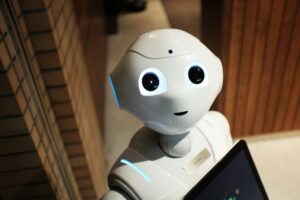
Artificial intelligence and automation are redefining how modern businesses function, communicate, and grow. What once seemed like futuristic technology is now embedded in everyday professional tools, influencing decision-making, productivity, and competitiveness. From intelligent software that analyzes customer behavior to automated systems that manage supply chains, AI is becoming a core driver of business performance.
For business professionals, this transformation brings both opportunity and responsibility. The future will favor those who understand how to work with intelligent systems rather than resist them. As technology continues to evolve, professionals must rethink their roles, skills, and value in an increasingly automated workplace.
Understanding the Shift Toward Automation
Automation has evolved far beyond basic task execution. Today’s AI-powered automation can interpret data, recognize patterns, and even recommend actions. This shift allows organizations to operate faster and more efficiently, particularly in areas such as finance, operations, and customer service.
At the same time, automation is changing expectations around speed and accuracy. Businesses now rely on real-time insights rather than delayed reports, which pushes professionals to adapt their workflows. As a result, understanding how automated systems support business goals has become a foundational requirement across industries.
Redefining the Role of the Business Professional
One of the most noticeable changes is how professional roles are being redefined. Many repetitive and time-consuming tasks are now handled by AI tools, allowing employees to focus on strategy, innovation, and relationship management. Instead of manually processing information, professionals are increasingly interpreting AI-generated insights.
Additionally, roles are becoming more interdisciplinary. Sales professionals use predictive analytics, HR teams rely on automated talent screening, and operations managers depend on intelligent forecasting tools. Consequently, professionals are expected to collaborate not only with people but also with digital systems. This evolution rewards adaptability and a willingness to learn new ways of working.
Essential Skills for an AI-Driven Workplace
As automation expands, the skills needed for success are shifting. Analytical thinking is more important than ever, especially when evaluating AI outputs and determining their relevance to business objectives. Professionals must know how to ask the right questions and validate automated recommendations rather than accept them at face value.
Equally critical are human skills that technology cannot easily replace. Creativity, leadership, and emotional intelligence help professionals build trust, inspire teams, and navigate complex situations. When combined with basic technological literacy, these skills create a powerful advantage. In this context, the most successful professionals are those who balance technical understanding with strong interpersonal capabilities.
Ethical Responsibility and Human Judgment
With increased reliance on AI comes greater ethical responsibility. Automated systems often depend on large volumes of data, raising concerns about privacy, consent, and security. Business professionals must ensure that data is handled responsibly and that AI use complies with legal and ethical standards.
Moreover, AI systems can unintentionally reinforce bias if they are trained on flawed or incomplete data. Human judgment is essential to identify these risks and correct them. By maintaining oversight and accountability, professionals help ensure that automation enhances fairness and transparency rather than undermining them.
Organizational Transformation and Workforce Readiness
From an organizational standpoint, adopting AI is as much a cultural shift as a technological one. Companies that succeed with automation invest in employee education and reskilling programs. This approach helps workers feel empowered rather than threatened by change, which improves adoption and performance.
Leadership also plays a crucial role in guiding transformation. Clear communication about the purpose and benefits of AI builds trust and alignment across teams. Over time, organizations that integrate automation thoughtfully tend to be more agile, innovative, and resilient in competitive markets.
Career Growth in an Automated Future
For individual professionals, AI presents new pathways for career growth. As traditional roles evolve, new opportunities emerge in areas such as AI strategy, digital transformation, and process optimization. Professionals who position themselves as bridges between technology and business needs are especially valuable.
Furthermore, continuous learning is becoming a career necessity rather than an option. Staying informed about emerging tools and trends allows professionals to anticipate change instead of reacting to it. In the long run, adaptability and curiosity will define career longevity in an automated world.
The Future Outlook for Business Professionals
Looking ahead, AI and automation will continue to advance, but they are unlikely to replace human professionals entirely. Instead, they will reshape how value is created within organizations. Human insight, creativity, and ethical reasoning remain irreplaceable components of effective business leadership.
The future of the business professional lies in collaboration with intelligent systems. By embracing change, developing relevant skills, and exercising responsible judgment, professionals can thrive in an artificial intelligence-driven economy. Automation is not the end of human contribution to business; rather, it is the beginning of a smarter, more strategic partnership between people and technology.